
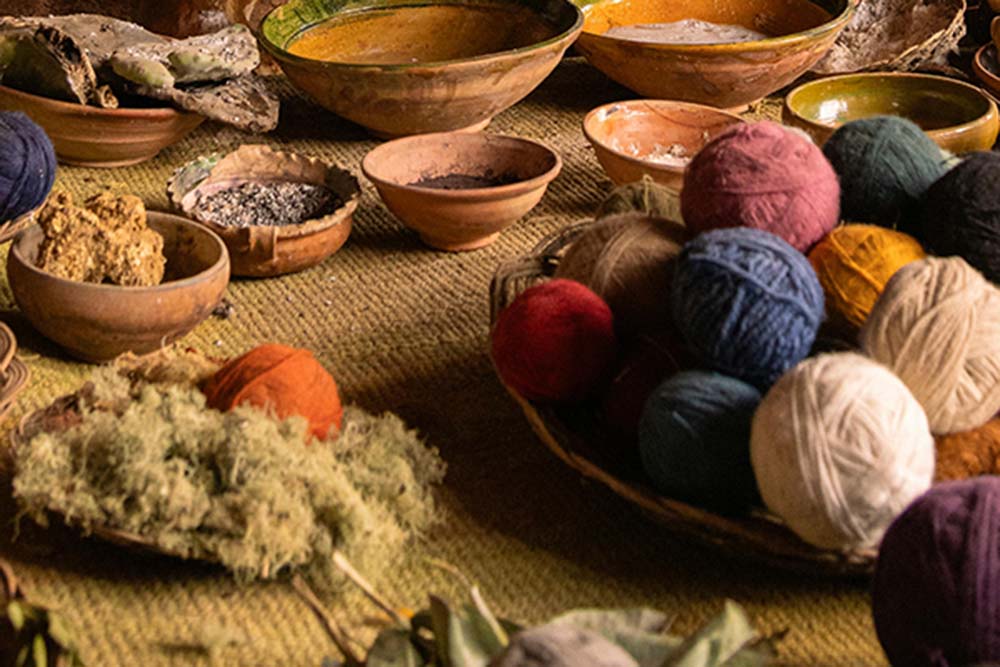
Secondhand yarn is a treasure trove of creative potential, but sometimes the colors don’t quite fit your vision. Whether you’ve picked up faded skeins, mismatched hues, or simply want to experiment with something new, hand-dyeing with natural dyes is a fantastic way to give old fibers a fresh, vibrant look. In this guide, we’ll explore the basics of natural dyeing, best practices for working with secondhand yarn, and how to achieve stunning results using natural ingredients.
Why Choose Natural Dyeing?
Natural hand-dyeing is an eco-friendly, chemical-free way to refresh secondhand yarn while embracing the beauty of nature. Using plant-based dyes reduces waste, minimizes synthetic chemical exposure, and allows you to create unique, one-of-a-kind yarns. Many natural dyes are readily available in your kitchen or garden, making this an accessible and sustainable craft.
Choosing the Right Yarn for Natural Hand-Dyeing
Not all fibers absorb dye the same way. Natural fibers like wool, cotton, silk, and alpaca take up dyes beautifully, while synthetic blends may resist color absorption. Before you start, check your secondhand yarn’s fiber content. If it’s a blend, ensure that at least 50% is a natural fiber for the best results.
Tip: To test if your yarn will accept dye well, wet a small strand and dip it in a vinegar-water mixture (1:3 ratio). If the yarn absorbs liquid quickly, it will likely take up dye effectively.
Preparing Your Yarn for Dyeing
Before hand-dyeing, yarn should be clean and free of any oils, dirt, or residues. Here’s how to prep your secondhand yarn:
- Unwind and Secure: Loosely skein your yarn and tie it in several places to prevent tangling.
- Wash the Yarn: Soak it in warm water with a mild detergent or wool wash for 20–30 minutes, then rinse thoroughly.
- Mordanting (Optional but Recommended): Mordants help set the dye and improve colorfastness. For protein fibers (wool, silk, alpaca), use alum (10-15% of the weight of the yarn). For cellulose fibers (cotton, linen), use tannins from tea or oak galls before an alum bath.
Natural Ingredients for Hand-Dyeing
Here are some common, readily available natural dye sources and the colors they produce:
- Avocado Pits & Skins – Soft pink to peach
- Onion Skins – Golden yellows to deep oranges
- Black Tea – Warm browns and tans
- Turmeric – Bright, golden yellow
- Red Cabbage – Blue to purple (with pH variation)
- Indigo (Woad) – Classic deep blue
Tip: Experiment with pH modifiers like vinegar (acidic) or baking soda (alkaline) to shift the final color of your dye bath.
The Dyeing Process
- Prepare the Dye Bath:
- Place your chosen dye material in a non-reactive pot (stainless steel or enamel).
- Add enough water to submerge your yarn fully.
- Simmer for 30–60 minutes until the color is extracted.
- Strain & Cool:
- Strain out solid dye materials and let the dye bath cool slightly.
- Dye the Yarn:
- Submerge pre-soaked yarn in the dye bath and heat on low for 1–2 hours, stirring occasionally.
- Let the yarn sit in the dye bath overnight for deeper saturation.
- Rinse & Dry:
- Rinse the yarn in lukewarm water until the water runs clear.
- Hang to dry in indirect sunlight to prevent fading.
Final Thoughts
Natural dyeing is a wonderful way to refresh secondhand yarn and bring new life to your stash. Whether you’re looking for subtle hues or bold transformations, experimenting with natural dyes offers endless creative possibilities. With patience and a little trial and error, you’ll create stunning, naturally colored yarns perfect for your next knitting or crochet project!
Have you tried natural dyeing before? Share your experiences and favorite dye sources in the comments below!


Leave a Reply