
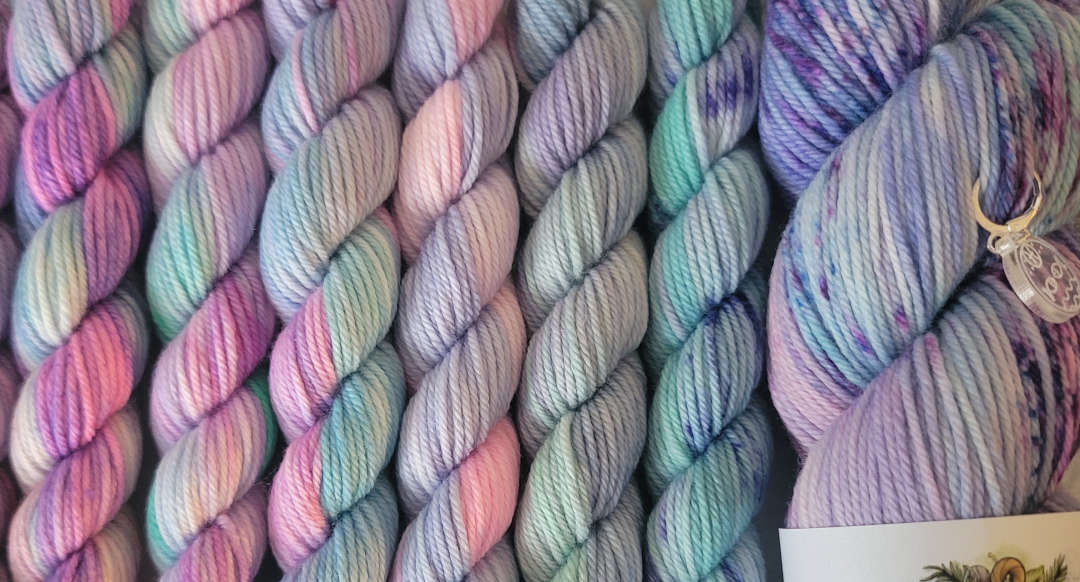
We’ve all been there. You walk into your craft room and suddenly realize your yarn collection has taken on a life of its own. What started as a few impulse buys at the local yarn shop has somehow morphed into towers of skeins that you’re pretty sure are plotting to take over your entire house.
If you’re nodding along right now, this post is for you. Whether you’ve inherited Grandma’s massive stash, your tastes have evolved beyond that acrylic phase, or you just need to make some room (and maybe some cash), I’m going to walk you through everything I’ve learned about getting the most value from your yarn destash.
Getting Your Yarn Ready to Sell
First things first: dump everything out and sort it. I know, I know, it sounds overwhelming, but trust me on this one. You can’t price what you can’t see clearly.
I like to sort into piles (pick which type of piles work for you):
- Yarn with labels vs. mystery balls (this makes a huge difference in value)
- By fiber – wool, cotton, acrylic, the fancy stuff
- By weight – keep your lace weight separate from your chunky
- By condition – be honest about which skeins have seen better days
- Or a different type of sorting that makes sense to you!
Keep Those Ball Bands!
This is so important I’m putting it in its own section. That little paper wrapper isn’t just taking up space – it’s money in your pocket. Yarn with original ball bands can sell for 50-70% of retail value, while mystery yarn typically gets weighed by the gram at a very low evaluation (it is a difficult sell to get folks to buy mystery yarn off the internet – trust me, I know!).
Even if the ball band is a little beat up, keep it. The information about fiber content, yardage, and dye lot is gold to potential buyers.
The More Information You Have, the Better
I learned this the hard way after selling a gorgeous hand-dyed skein for way less than it was worth because I didn’t keep the information about the skein itself. Then, when I tried to locate retail price information about the skein, the indie dyer was out of business and I couldn’t find any information on it! Now I keep notes on everything:
- Where I bought it and when
- What I originally paid (if I can remember)
- Any special details about the yarn or colorway
- Receipts if I still have them
It takes a few extra minutes, but it’s worth it when you can confidently price your yarn.
Doing Photos? Lighting is Everything
Natural light is your best friend. I do all my yarn photos by a big window on cloudy days – no harsh shadows, just nice even light that shows the colors accurately. Find a great spot in your place that gets that natural light, or take a tablecloth and bring your items outside on a nice day.
As you find what works best for you, you should try to take photos at different times of day and pick the best ones. Yarn colors can look completely different in morning vs. afternoon light. Once you know what works best, you can remind yourself to take photos at that best time of day for you!
Don’t just take one wide shot and call it done. Get up close so people can see the texture. Show the ball band clearly, and make sure folks can see the colorway, lot number, and details about the yarn on that tag. If there are any flaws, photograph those too – honesty builds trust, and trust builds sales.
Pricing Your Yarn (Without Driving Yourself Crazy)
This is where I see people get stuck. They either price everything too high and nothing sells, or they practically give it away. Before you slap a price on anything, spend some time browsing:
- What was the retail price of this yarn?
- Can someone still buy this brand new at a shop easily?
- Especially for big brand store yarn you could get at a retail chain – if the discounts at that retail store makes that skein cheaper than what you are selling it for, your price is too high!
- Is this a really common item, or was it a limited collection one-time release?
- Is it something people are actively looking for?
This gives you a realistic baseline for what people are actually paying. Remember, you’re not a retail store. People expect a deal when buying secondhand because anything secondhand is always a risk no matter how nice you’ve kept it stored, and that’s okay.
The Big Question: Sell It Yourself or Use a Service?
This really depends on what you’re dealing with and how much time you want to invest.
Go the DIY Route When:
- You’ve got some really special pieces that deserve individual attention
- You enjoy the whole process of listing, photographing, and interacting with buyers
- You have a manageable amount to work through
- You want to squeeze every possible dollar out of your stash
Consider a Professional Service When:
- You’re looking at boxes and boxes of yarn (estate sales, I’m looking at you)
- You’d rather have someone else deal with the hassle
- You want guaranteed sales instead of hoping someone will buy
- Time is more valuable to you than maximizing individual item prices
Selling your items yourself is great and you should try to do it if you have the time and acumen to do so! There are plenty of ways to do so via social media, Ravelry, and other groups. A professional service is there to help with getting things sold quickly and safely, while making sure your items don’t end up in a dump. A good service’s goal is to make sure every item gets to someone who needs it and can use it!
What to Expect from Professional Yarn Buying
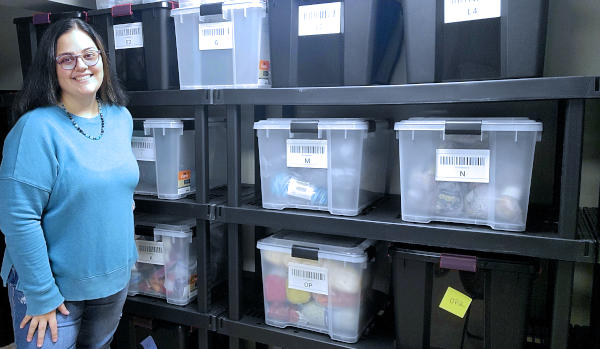
Since I work with yarn collections every day, I can give you the inside scoop on what actually happens when you sell to a service like ours.
Professional buyers aren’t going to pay retail prices – we can’t. We have to account for processing time, storage, and the fact that not everything sells immediately. But what you lose in per-skein pricing, you often make up for in convenience, a “drop it and forget it” ease of dealing with getting rid of unwanted items, and getting your money now.
Most reputable services will:
- Evaluate everything you send fairly
- Be upfront about what they can and can’t take
- Handle pest treatment in safe and effective ways (yes, that’s a real concern with secondhand yarn)
- Give you options for payment with better percentages on how easy it is to provide that payment.
From what I see come through our doors, items that are in like new/excellent condition, with original tags, in its original retail state (twisted in a hank, still in the plastic covering, etc.), that made with high quality fibers get top dollar. Especially if there are multiple skeins with the same dye lot that people are really searching for! I would be remiss to mention that those discontinued, hard to find brands and types get snatched up right away, so professional services want to pay you more for them.
Don’t Forget About Donations
Sometimes the most valuable thing isn’t money – it’s knowing your yarn is going to someone who needs it.
We work with local groups that make items for homeless shelters and community centers. Yarn that might not have much resale value can still keep someone warm or comfort a child. There’s real value in that, even if it’s not dollars in your pocket.
At the end of the day, the best destashing strategy is the one you’ll actually follow through on. I’ve seen people spend months agonizing over getting every last penny out of their stash, while the yarn just sits there taking up space.
Sometimes done is better than perfect.
Ready to Start?
Here’s what I’d do if I were starting a destash today:
- Pick one storage area and sort through it completely
- Take photos of a few representative pieces and research their value
- Decide if you want to tackle this yourself or get help
- Start small with a test batch to figure out what works
- Be patient – good yarn sells, but it might take time
The hardest part is usually just getting started. Once you see that first successful sale, or watch someone get excited about yarn they couldn’t find anywhere else, it gets addictive.
Your yarn collection tells the story of your crafting journey – all those ambitious projects, color obsessions, and “I might need this someday” purchases. There’s nothing wrong with moving on from part of that story to make room for new chapters. Every skein you sell or donate gets a chance to become something beautiful in someone else’s hands. And honestly? That’s pretty amazing.
Plus, you get your craft room back. And maybe some cash for new yarn. Win-win.
Need help with your yarn destash? We’ve processed thousands of collections and know how to get the most value from every type of yarn. Check out our assessment process and see how easy it can be to turn your stash into space and spending money.

Leave a Reply